
CASE STUDY
Cloud-Based Telemetry SCADA System for Borehole Management
Scope of Work
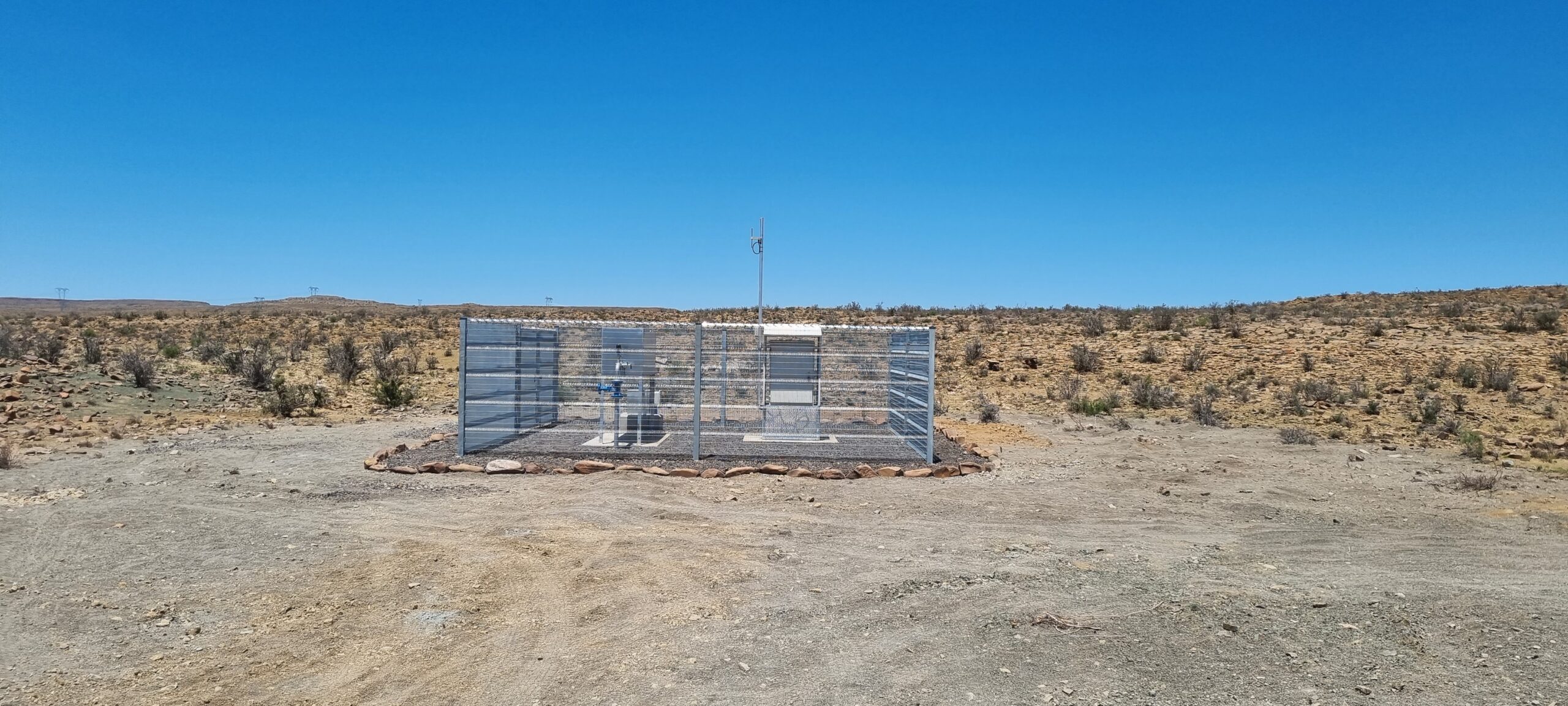
- INTEG developed an advanced Telemetry SCADA System to monitor and control municipal boreholes across the greater Karoo region of South Africa.
- The solution was designed to support the reliable supply of groundwater to drought-affected towns while optimising resource usage and reducing operational costs.
- The system provides real-time visibility and control over borehole operations, including sites in remote locations.
- Wireless telemetry, cloud-based SCADA technology, and intelligent automation enable improved decision-making, reduced water losses, and more sustainable management of underground water resources.
Industry
Water and Municipal Infrastructure
Location
Greater Karoo, South Africa
Project Type
Cloud-Based Telemetry SCADA System
System Overview
The system combines Programmable Logic Controllers (PLCs) installed at each borehole for real-time control and data collection, telemetry radios for local wireless communication, and a cloud-based SCADA platform for remote monitoring and management. Together, these components provide municipalities with a centralised view of borehole performance and enable reliable control across widely distributed and remote locations.
User-Friendly and Accessible Design
A key objective was to develop a system that is intuitive and accessible to municipal operators, even those with limited technical expertise. The SCADA interface was designed with clear, easy-to-understand graphics and optimised for mobile devices, including smartphones and tablets, to enable on-the-go monitoring.
It is also accessible on desktop screens for more detailed operational analysis and through any device with an internet browser, ensuring broad accessibility without requiring specialised software.
The Challenge
Municipalities across the greater Karoo needed a more reliable and efficient way to monitor and manage boreholes spread across remote, drought-affected areas. Limited connectivity, frequent site visits, and a lack of real-time operational visibility made it difficult to manage groundwater resources sustainably and respond quickly to problems.
Borehole Management Challenges included:
- Remote boreholes and reservoirs were difficult and costly to monitor manually
- Unreliable connectivity created a risk of incomplete or lost operational data
- Limited real-time visibility made it harder to identify low water levels, pump failures, and abnormal conditions
- Manual operation and site visits increased response times and operational costs
- Poor visibility of abstraction trends increased the risk of over-extraction and long-term borehole depletion
INTEG's Solution Implementation
To deliver reliable, sustainable water management across remote municipal boreholes, INTEG implemented a cloud-based Telemetry SCADA solution focused on visibility, automation, and operational control.
Key Features Included:
Ensure data integrity through local data storage and automatic synchronisation after network disruptions.
Provide real-time and historical monitoring of borehole and reservoir levels through intuitive dashboards.
Automate borehole scheduling, recovery periods, and pump control to support sustainable water abstraction.
Enable remote control, alerts, and operational decision-making from any internet-connected device.
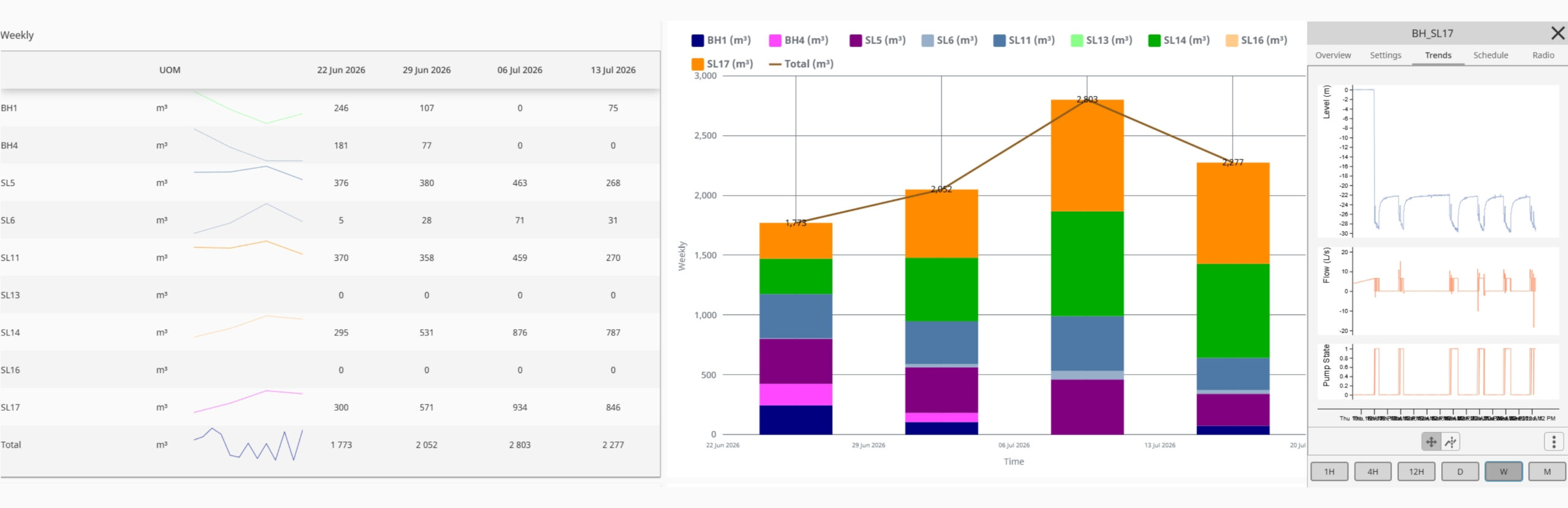
Generate water balance reports to track extraction, storage, distribution, and potential water losses.
“INTEG delivered a solution that gives us full visibility across our plant. The system is intuitive for our operators, highly flexible, and built to support our growth well into the future.”
Dirk Brand, Head of Engineering,
Döhler South Africa

“The Telemetry SCADA System strengthens water security through real-time visibility, remote control, and sustainable groundwater management.”
Municipal Borehole Management, Greater Karoo
The Full Project Breakdown
Ensuring Data Integrity and Reliability
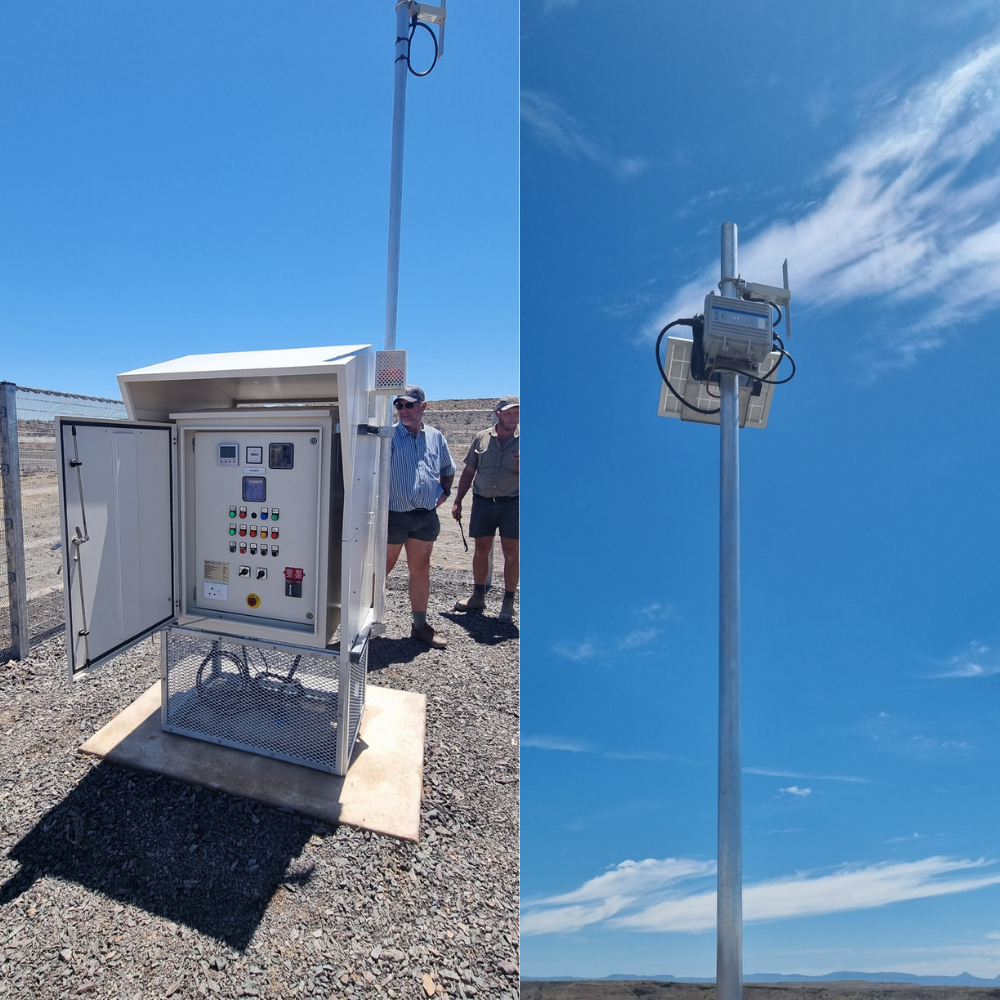
Due to the remote location of many boreholes and reservoirs, maintaining a continuous network connection can be challenging.
To prevent data loss during power failures, extreme weather, or connectivity disruptions, operational data is stored locally at each borehole. Once the connection is restored, the stored data is automatically synchronised with the SCADA system.
This ensures that critical operational information remains complete, accurate, and reliable.
Real-Time Monitoring and Data Analytics
All operational data is stored in an industrial historian, providing municipal teams with a reliable record of borehole and reservoir performance.
The system allows operators to monitor live and historical borehole and reservoir levels through an easy-to-use charting tool. This provides a clear view of current conditions while also making it possible to review performance over time.
Municipal teams can analyse water abstraction trends and adjust operations to prevent over-extraction. Changes in water levels, pump performance, and operating patterns can be identified before they develop into more serious problems.
By detecting potential issues early, the system helps municipalities reduce the risk of costly equipment failures, interruptions to water supply, and water shortages.
Smart Water Management Capabilities
The system uses advanced automation to optimise borehole operations while supporting the long-term sustainability of groundwater resources.
Automated scheduling allows boreholes to operate during lower electricity tariff periods, helping municipalities reduce energy consumption and operating costs.
The system also manages recovery times by allowing sufficient rest periods between extraction cycles. This helps prevent depletion and gives each borehole time to recharge naturally.
Accurate flow and level control ensures that pump operation is adjusted according to what each borehole can sustainably deliver. This reduces the risk of over-extraction and supports the long-term viability of the water source.
Remote Control and Decision Support
The cloud-based system allows municipal operators to remotely start, stop, or adjust borehole operations from any location with internet access.
Operators receive alerts and notifications when abnormal conditions occur, including low water levels, connectivity problems, or pump failures. This enables teams to identify issues quickly and make informed operational decisions.
By improving response times and reducing the need for frequent site visits, the system helps municipalities save time, lower operational costs, and manage remote infrastructure more efficiently.
Water Balance Reporting and Loss Detection
Accurate reporting and analytics provide municipalities with clear, actionable insight into how water moves through the system.
Water balance reports track the volume of water extracted from boreholes, stored in reservoirs, and distributed to communities. This gives operators a more complete view of water usage and helps them identify unexpected differences that may indicate losses, leaks, or inefficiencies.
Conclusion
The Telemetry SCADA System has made a meaningful difference in supporting a continuous and sustainable water supply to drought-affected towns across the Karoo.
The solution provides municipalities with:
- Improved water security through real-time monitoring and better resource planning
- Reduced operational costs through automation, optimised power usage, and fewer site visits
- More sustainable water abstraction by preventing borehole over-extraction
- Greater resilience through reliable data storage, automatic synchronisation, and remote operability
By adopting this solution, provincial and municipal governments can strengthen the management of critical groundwater resources and help ensure that communities continue to have access to clean and reliable water now and into the future.